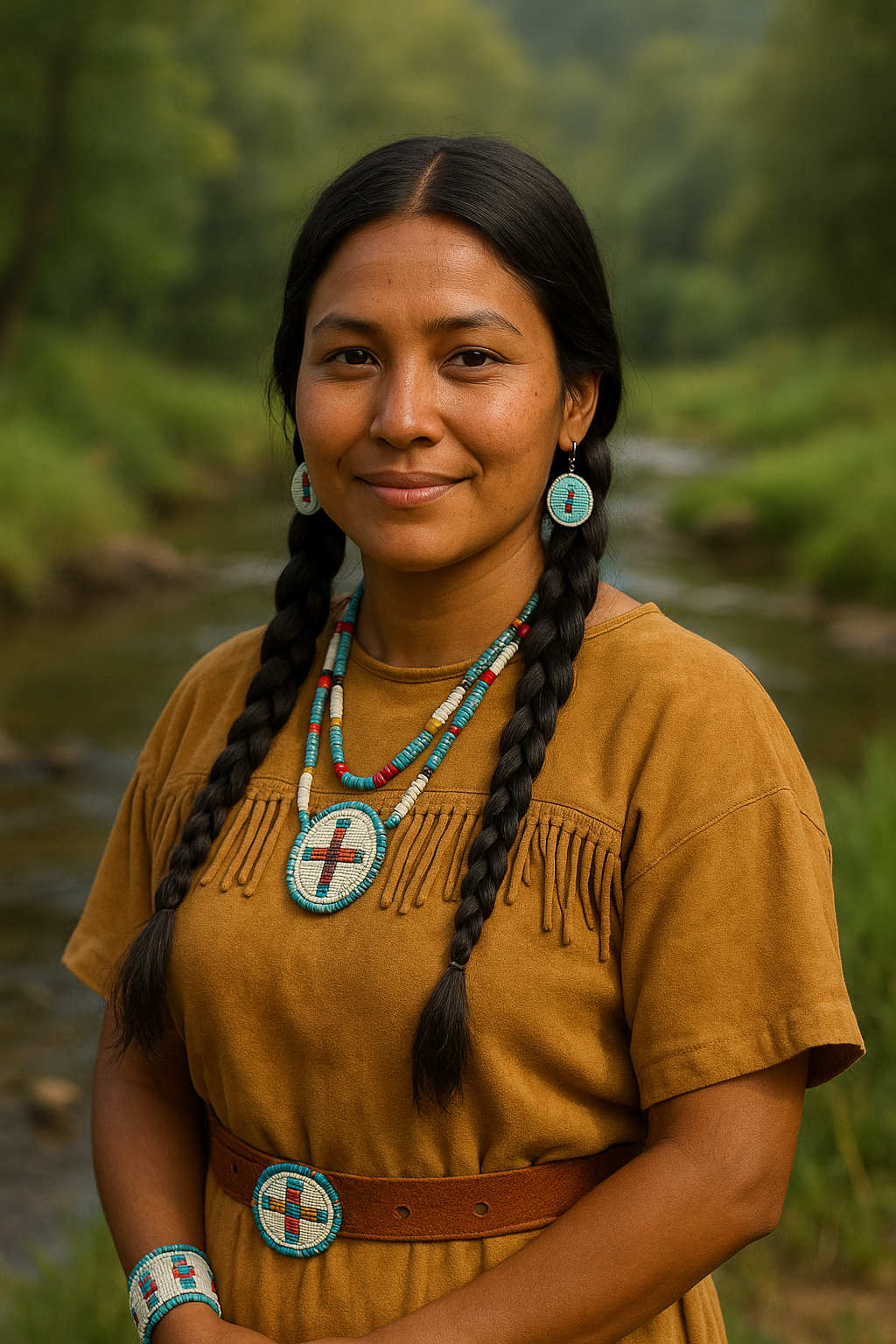
I am Lena. Calm hands, steady voice. I keep a good fire, tend children and elders, and remember the small teachings that hold a family together.
Work is honor. Food must be prepared long before hunger arrives. Hides soften with patience, not force. And when winter presses hard, we learn what matters most—warmth, kindness, and doing the next right thing.
How a Wíŋyan Thinks
People imagine strength is loud. But a Wíŋyan’s strength is the kind that holds steady. I watch first, I plan ahead, and I keep the peace with work that looks simple—until you realize how many lives depend on it.
I look ahead
- Food for tomorrow matters more than food for today.
- Winter is always coming—so we prepare in small steps.
- I keep track: who is tired, who is hungry, who needs help.
I notice details
- The wind tells you what the weather is thinking.
- The fire tells you if your lodge will stay warm.
- A child’s eyes tell you what they’re afraid to say.
I protect in quiet ways
- I keep things clean, orderly, and ready—so trouble doesn’t grow.
- I speak calmly to settle sharp words before they cut deep.
- I teach by doing—because that lesson stays.
Where I Live & Work
- Family tipi: fire tending, cooking, sewing, keeping things orderly
- Gardens: corn, beans, squash—planting, weeding, harvesting
- Riverbanks: gathering herbs, berries, willow, clay, and water
- Craft circle: sewing, tanning, quillwork and beadwork
- Hunting camps: meat preparation, drying, storing for winter
- Community grounds: songs, ceremonies, shared work
Tools & Gear
- Bone needles, awls, sinew thread
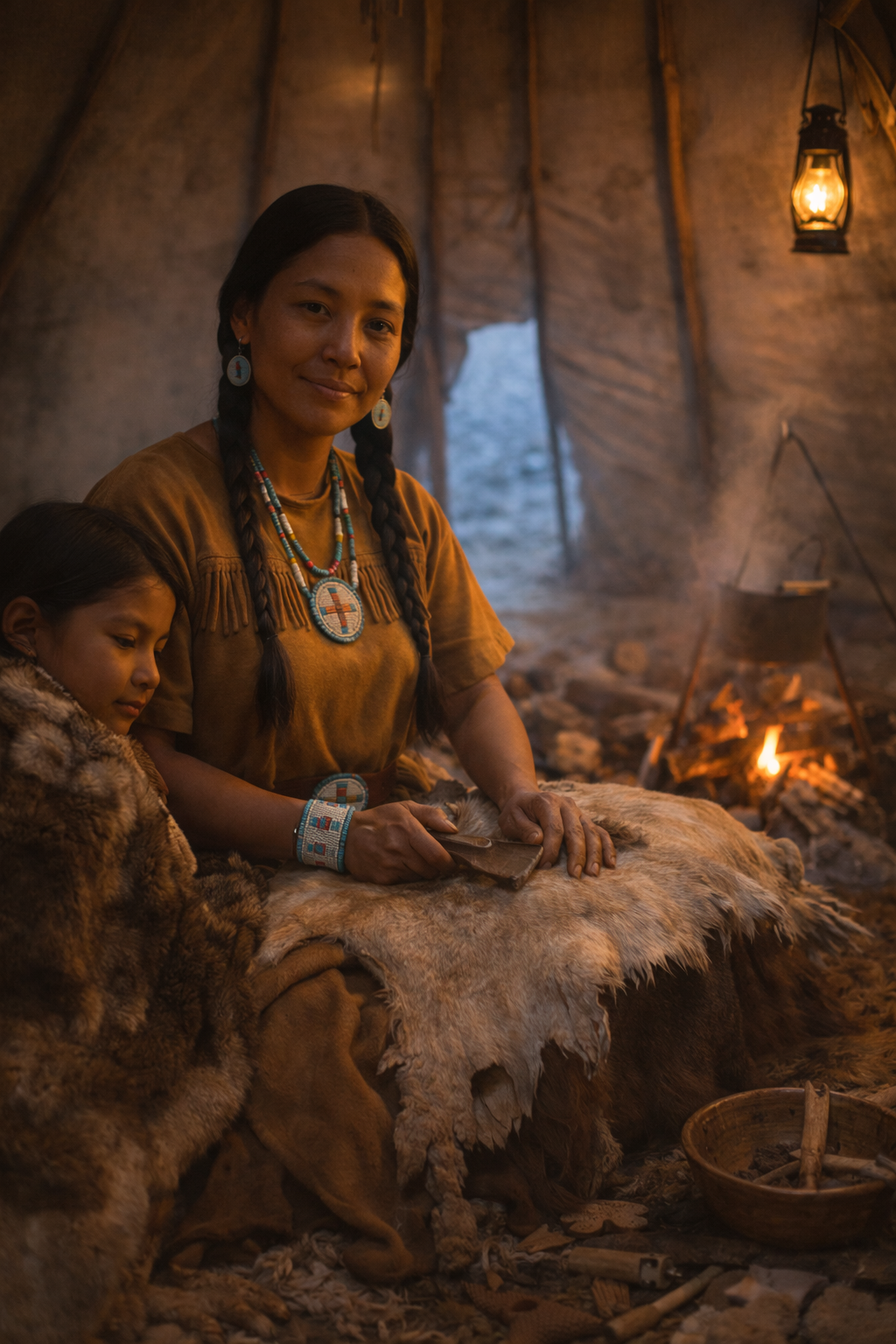
- Scrapers and frames for tanning hides
- Cooking pots, wooden bowls, horn spoons
- Fire bundle, flint, careful tending
- Baskets for berries, roots, gathered plants
- Beads and dyed porcupine quills for designs
Hard Truths
- Food must be prepared long before hunger arrives
- A lodge stays warm only if tended wisely
- Hides soften with patience, not force
- Gathering plants requires knowing the land
- A Wíŋyan works from sunrise until the stars return
- Children learn by watching everything
Dakota Realities
- Every tool has a purpose—and must be cared for
- Gardens feed the village as surely as the hunt
- River travel is faster downstream, harder upstream
- Elders carry stories that guide our choices
- Seasons shape food, homes, and daily work
- A good moccasin begins with a good hide
Connections
- Mother’s sisters and their families
- Grandmothers passing down plant knowledge
- Young girls learning quillwork and beadwork
- Hunters bringing buffalo and deer
- Neighbors helping when it is time to move camp
- Traders with beads, cloth, and kettles
Skills & Knowledge
- Tans raw hide into soft buckskin
- Prepares dried meat and corn for storage
- Knows plant medicines for common ills
- Makes dresses, leggings, shirts, and moccasins
- Reads weather by wind, birds, and sky
- Keeps peace with calm words and steady work
“A wíŋyan keeps the fire, the stories, and the courage of her people.”
My Story
I was born in a village along the White River, raised among laughter, lessons, and the steady work of my family. From childhood my mother, aunties, and grandmothers taught me how to listen to the land—how to cook, sew, gather plants, and prepare hides so they are soft and lasting.
I am known for careful quillwork and beadwork—patterns that are even and balanced, because balance matters in more than decoration. I gather sage, mint, chokecherry, and willow from the riverbanks, and I do not take without thanks. The elders trust me to prepare food for feasts and for seasonal movement, a responsibility I hold with care.
Though I am not married, my days are full. I help care for the children of my sisters and cousins, and I listen before I speak. My home is a family tipi near the gardens, close enough to fetch river water when the sun rises. The work of the village moves like a river—steady, patient, and always needed.
My village rests where the White River flows toward the Missouri—soft hills, steady prairie winds, and water that teaches you to pay attention.
If you talk with me, I’ll tell you about our gardens, our lodges, our tools, and the ways a Wíŋyan keeps her people strong—one day at a time.
I am a Dakota Wíŋyan
The meaning of Wíŋyan includes several layers of significance: strength, responsibility, and a life-giving spirit tied to the Earth and to creation.
A foundation of the people: The word is traditionally described as being derived from Wi (sun, the beginning of time) íŋyan (stone, the first spirit of creation), representing a woman as the foundation of her family and nation.
A position of honor: It is a title bestowed upon a woman after she has outgrown the stage of being a wiöhioöala (girl) and demonstrates great character, responsibility, and wisdom.
The backbone of the world: In Dakota belief, Wíŋyan is seen as the backbone of the world. A tipi pole design, for example, is used to represent the strength and foundation that women provide.