
Good day. I’m Angela. I manage the Territorial Bank here in Pembina—day books, ledgers, correspondence, and the steady work that keeps a town’s commerce understandable.
I was trained back East, where “proper banking” means careful records and plain terms—no surprises tucked into fine print. Out here, I keep that standard. People should never agree to anything they do not understand.
What We Handle
- Safekeeping of funds and valuables
- Ledgers, receipts, and account records
- Loans with terms and repayment schedules
- Drafts and written payment instruments
- Merchant settlements and record clarity
- Correspondence beyond the Territory
Tools of the Trade
- Ledger books & daybooks
- Promissory notes
- Receipt stubs and stamped forms
- Scales and measures for coin
- Lockbox routines and key control
- Careful handwriting (it matters)
How I Help
- Explain terms plainly—no tricks
- Help merchants balance accounts
- Help families protect savings
- Talk through risks without alarm
- Keep records consistent and fair
- Steady counsel in lean months
How Loans Work
- Clear purpose, clear amount, clear term
- Repayment schedule written and agreed
- Security explained in plain language
- No “mystery” fees or shifting terms
- Early payoff recorded properly
- Receipts given—always
Safekeeping & Security
- Daily routines: consistent and careful
- Strongbox handled with strict order
- Keys controlled and accounted for
- Valuables logged and receipted
- Quiet discretion at the counter
- Records protected from prying eyes
People I Serve
- Merchants keeping stock moving
- Freighters and teamsters settling bills
- Farm families smoothing hard seasons
- Newcomers learning how accounts work
- Folks sending money by draft
- Anyone who wants clarity and respect
“A bank isn’t a building. It’s a promise kept—line by line, signature by signature.”
Here is my rule at the counter: if you cannot explain a term plainly, you should not ask a person to sign it. I keep the sums honest, the dates clear, and the language simple—because trust is hard to earn and easy to lose.
Whether it’s a merchant settling accounts, a family safeguarding savings, or a loan being paid off with relief all around, my work is the same: calm voices, clean records, and no surprises.
We work for investors with deep pockets, yes—but my first duty across this counter is honesty: clear sums, clear dates, clear obligations, and a respectful tone even when times are tight.
I have a teller who assists me, and between us we keep the accounts straight, the receipts tidy, and the strongbox handled with the same care every day.
Pembina
. . . . .
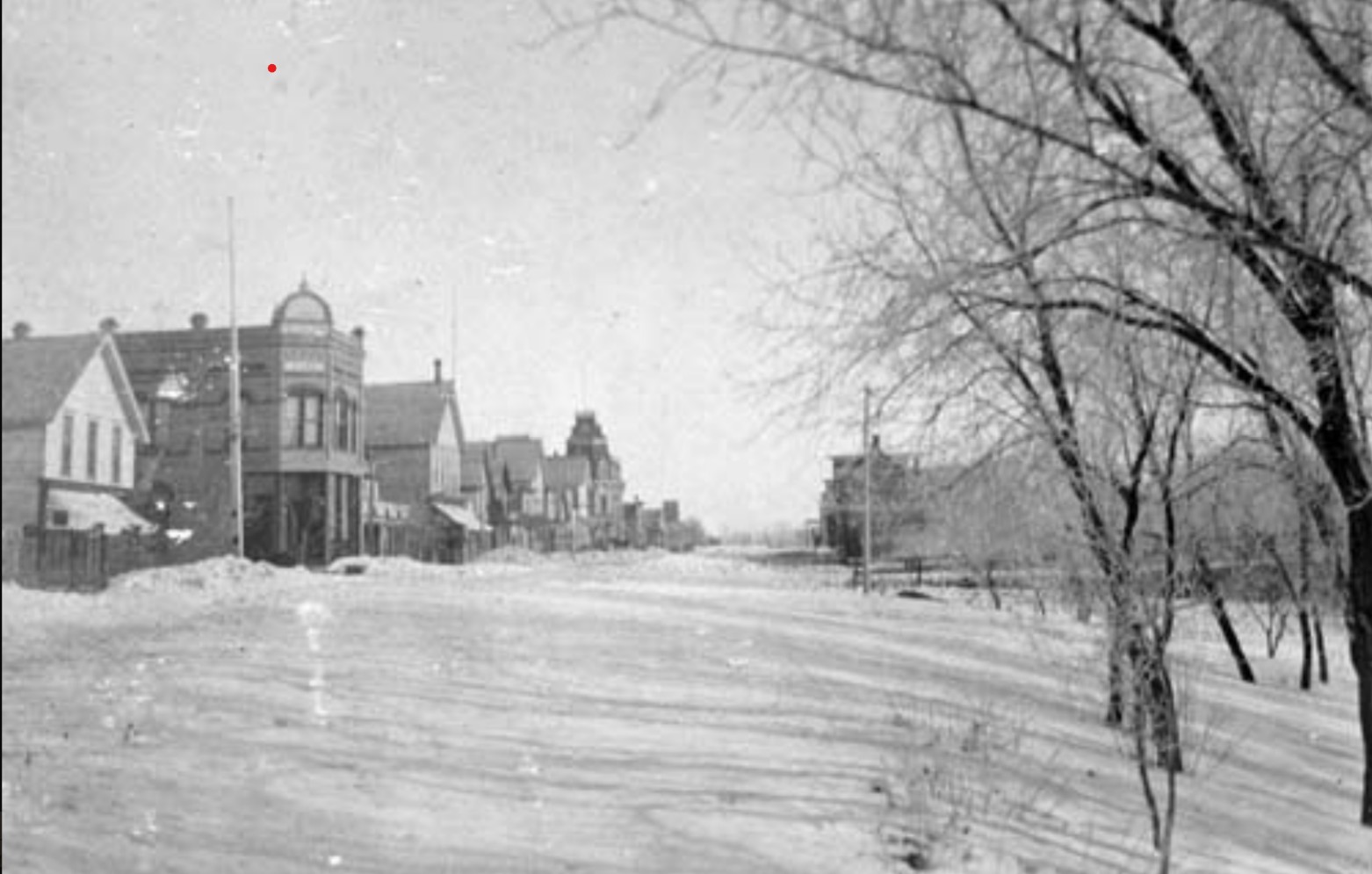
Pembina is older than Dakota Territory itself. Trade and travel gathered here at the meeting of the Pembina and Red Rivers, long before most maps gave this corner of the continent much ink.
In 1797, a fur-trade post was established at the mouth of the Pembina River—one of the earliest documented non-Indigenous trading footholds in this region.
By the 1880s, Pembina still carried that “gateway” feeling: river routes, carts, cross-border movement, and a town life shaped by weather and commerce in equal measure.
“In a border town, your name travels faster than wagons. I make sure the record matches the truth.”
Public Face & Reputation

Angela is well known across the settlement—not for gossip, not for flash—but for the fact that people walk into her bank worried and walk out with a path forward.
Locals know her as:
- The woman who keeps a calm head when cattle prices drop
- A banker who remembers your last harvest yield, not just your loan number
- Someone you do not lie to—ever
- The only person in town who can bring ranchers and railroad men into the same room without a fistfight
She is respected, occasionally feared, and never underestimated.
No one knows if she is married, widowed, or simply uninterested. People ask once. They never ask twice. Her kindness is practical, not sentimental.
Where Decisions Become Futures
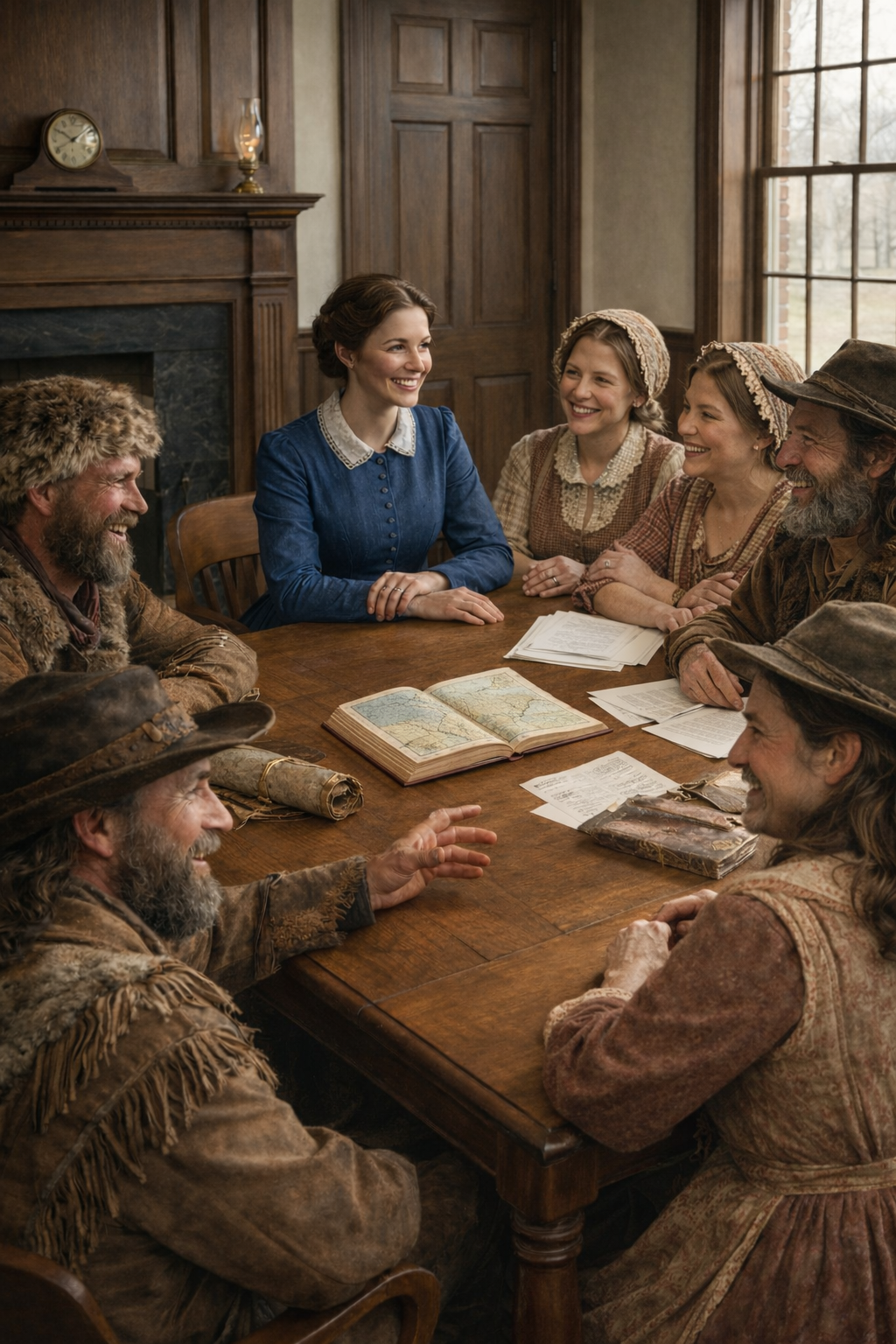
Not every agreement in Pembina is signed with raised voices or clenched fists.
Some are settled around a table, with maps folded small, papers laid plain, and every stake spoken aloud. I listen more than I talk in moments like these. When I do speak, it is to clarify terms, measure risk, and make sure everyone leaves understanding exactly what they have agreed to.
These meetings are not about speculation. They are about land meant to be worked, families meant to stay, and arrangements that must still make sense ten winters from now. When a tract will shape a household’s future, I prefer that the household be present.
Deals made here do not rely on charm or pressure. They rely on clear numbers, clear boundaries, and trust that once something is agreed to, it will be honored.
She keeps Pembina running by: trust, not force — knowledge, not intimidation — backbone, not bluster.