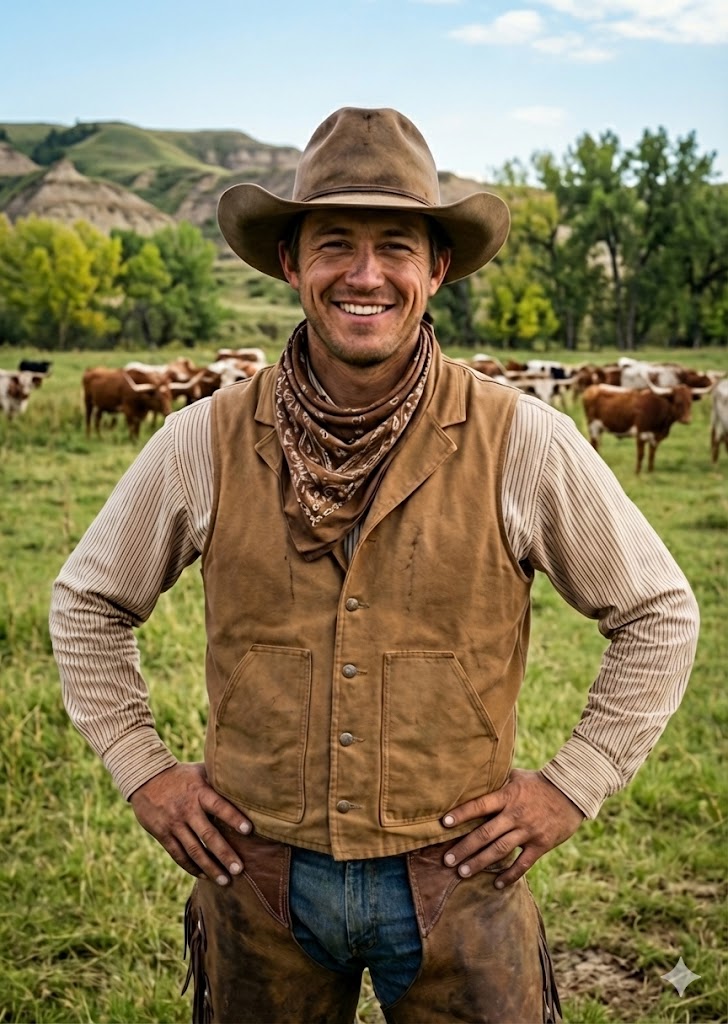
Name’s Buck. I’m the ranch foreman out along the Little Missouri country — where the land breaks into badlands and the wind never asks permission. My job is simple to say and hard to do: keep the crew moving, keep the horses sound, and keep cattle alive and accounted for.
Ranching isn’t a picture on a postcard. It’s dust in your teeth, saddle leather that never truly dries, and decisions made fast when weather turns mean. A good foreman doesn’t just ride — he plans, he watches sign, he keeps peace in camp, and he makes sure the work gets done without getting men hurt.
Responsibilities
As foreman, I’m the hinge between the owner’s plans and what the land will actually allow. I set the day, place the men, and keep the work steady—because a ranch falls apart quick when everyone “does their own thing.”
- Plan the day: where we ride, where we cut sign, what needs mending
- Roundups: gather, sort, count, brand, and doctor what’s lame or sick
- Range watching: water, grass, drift fences, and where cattle are pushing
- Keep men safe: tired horses and careless riding get people killed
Crew & Ranch Life
Ranch hands are a mixed bunch—good riders, rough talkers, and men who’ve worked too long without a soft bed. A foreman’s job isn’t just giving orders. It’s keeping the crew from turning into trouble.
- Camp order: clear duties, fair turns, and no foolishness
- Chuckwagon sense: coffee, beans, biscuits—fuel first, complaints later
- Bunkhouse: tired men, wet socks, and stories that grow bigger every night
- Rule: you pull your weight, and you don’t endanger the outfit
Horses & Tack
A ranch runs on horseflesh. A good cow horse is worth more than anything on the range. If you keep your mounts sound—feet trimmed, back not galled, feed steady—you can do nearly anything the range demands.
- Core kit: saddle, bedroll, slicker, rope, and a small repair roll
- Tack care: dry leather when you can, oil it when you must
- Horse sense: don’t push too hard today and lose the horse tomorrow
- Safety: cinch check, bridle check, and never trust a cold-backed mount
Cattle, Brands & Counts
Cattle aren’t “just cows.” They’re numbers, condition, movement, and risk. The brand is the ranch’s signature, and the count is the truth—everything else is talk.
- Branding: sort calves, hold steady, brand clean, then turn out quick
- Doctoring: cuts, hoof trouble, sickness—handle firm but not cruel
- Guarding value: strays, wolves, rustlers, and storms can thin a herd fast
- Record sense: the tally matters more than the bragging
Seasons & Hazards
The range changes by season. Summer looks easy—until lightning starts fires and heat dries water holes. Winter looks beautiful—until cattle drift with the wind and freeze standing up.
- Spring: mud, swollen rivers, calves dropping, and fences failing
- Summer: heat, flies, storms, and long days that wear men down
- Fall: gather before weather hits—sell, ship, and secure feed
- Winter: blizzards, drifted snow, and nights you check stock by lantern
Badlands, River & Town
The Little Missouri country has teeth—cuts, draws, and gumbo that’ll swallow a wagon. Medora and the river crossings bring trade, news, and sometimes trouble. A foreman learns when to talk and when to walk away.
- Badlands travel: pick routes, avoid soft ground, watch for sudden washes
- River sense: crossings change fast—never assume yesterday’s ford is safe
- Town trips: supplies, payroll, and meeting special friends
- Reputation: an outfit is known by how its men behave
“A ranch doesn’t run on talk. It runs on planning, horse sense, and doing the hard work the same way—every day.”
The ranch yard — how it all fits together
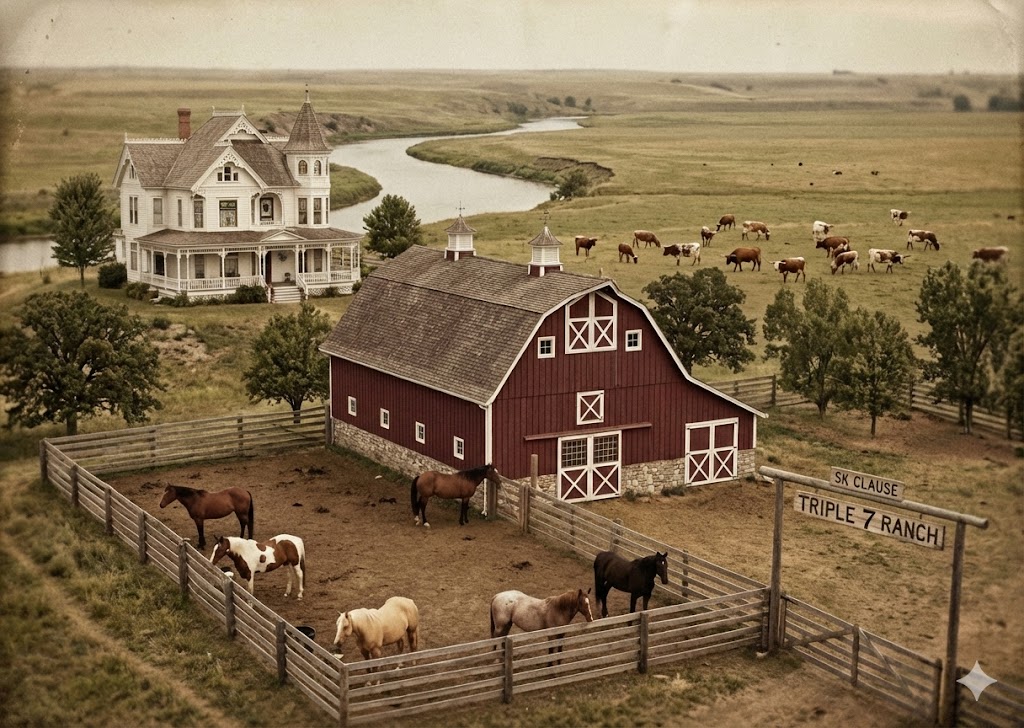
If you want to understand a cattle ranch, don’t start with the house. Start with the yard—the pens, alleys, gates, and work spaces where cattle are handled. That’s the heart of the outfit. It’s built for flow: bring a herd in, hold ’em steady, sort ’em clean, and turn ’em out without chaos.
You’ve got corrals for gathering, a cutting pen for sorting, a lane where you can move cattle without a stampede, and places to rope and doctor. Tack and tools stay close. Water is everything. And the whole layout is meant to keep men safe and cattle moving, because a wreck in the yard can cost lives and money in the same minute.
Now about them longhorns—you’ll see Texas blood up here. Trail herds come north because the grass is good and the markets pay better. Those cattle can travel, they can handle rough country, and they’ll live through things that would kill a softer breed. But they’re also wired different—sharp, watchful, and quick to test a fence or a rider who isn’t paying attention.
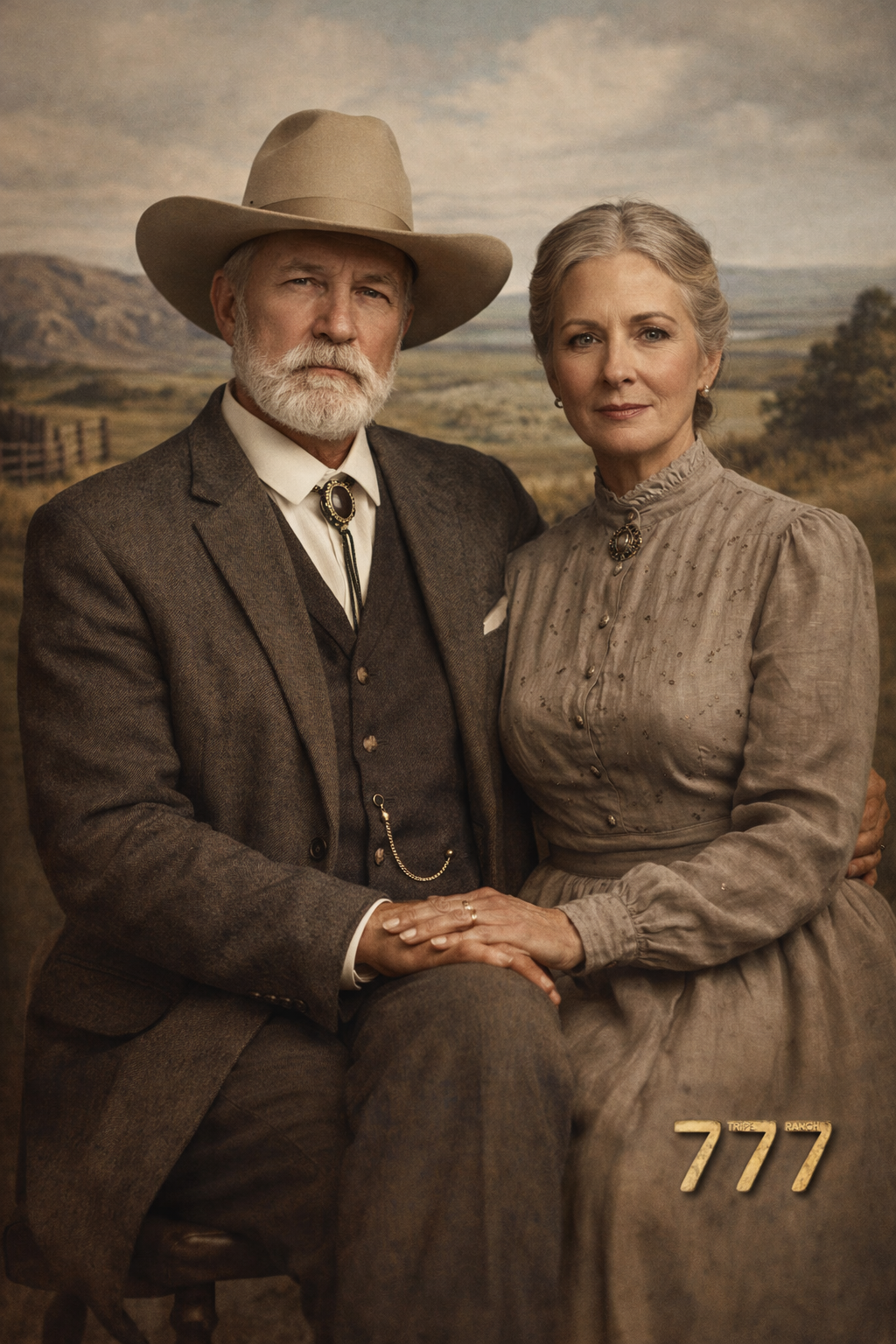
SK Clause, born Sigismund Konstantin Clause in the German state of Prussia, was raised in a culture that valued discipline, education, and careful stewardship of land and capital. By early adulthood, he had already found success managing agricultural interests in Central Europe, building both means and reputation.
Sandra Clause, his partner in life and enterprise, brought steadiness, insight, and resolve to every decision. Together, they founded the Triple Seven Ranch along the Little Missouri — an operation known for sound cattle, fair dealings, and a brand that carried weight without boasting.
SK and Sandra didn’t just buy range land — they built a disciplined, resilient operation that held steady when weather, markets, and distance tried to break lesser outfits. In the Little Missouri country, the Triple Seven name came to mean one thing: honesty. The cattle were sound, the accounts were straight, and their word didn’t change with the wind.
In the Dakota Territory, their names were spoken with respect — and the Triple Seven needed no explanation.